
What Is Planet Clicker? The Scratch Idle Game by Coltroc
Published · Updated · 2 min read
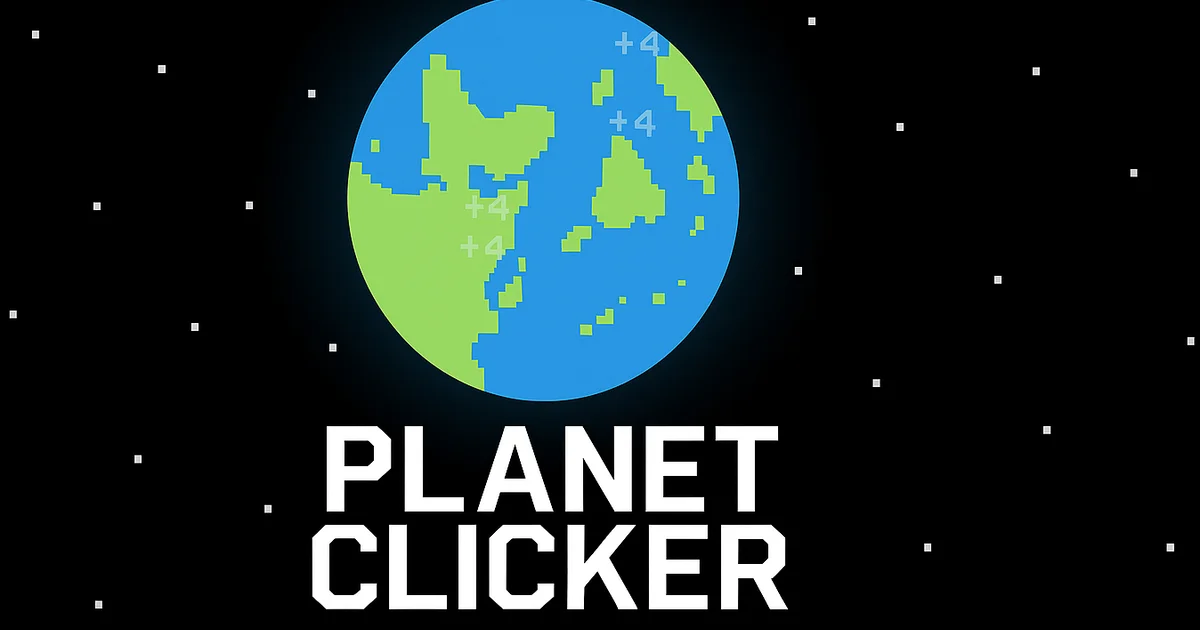
Planet Clicker is a small idle clicker game made in Scratch, the block-based programming tool from MIT. It was created by a Scratch user named Coltroc. The project was started in March 2020 and shared on Scratch on 28 March 2020. It later reached a much wider audience on game portals, including CrazyGames, which lists it with a release date of November 2021.
Where the idea came from
The Scratch project description says it plainly: the game is inspired by Cookie Clicker. The structure is the same idea in space. You click a planet for energy, spend that energy on things that produce more energy, and watch the number climb. The original instructions on Scratch are two lines long: click Earth, click buttons.
The Scratch page is scratch.mit.edu/projects/377874630, where it has been remixed thousands of times.
How it runs in your browser
Because it is a Scratch project, the version on portals is played through TurboWarp, a player that runs Scratch projects in the browser. There is nothing to install. It works with a mouse or a touchscreen, and the space bar also counts as a click on the planet, which many players use to save their wrist.
Two things are worth knowing:
- Progress is not saved. The project contains no save or load code, so closing or reloading the page starts you again from zero energy.
- Energy is counted by time. Each frame the game adds your energy per second multiplied by the time since the last frame, so income keeps coming while the page stays open.
Why it stops at three planets
The game has Earth, Mars and Venus. In the project notes Coltroc wrote that more planets probably will not be added because of the limits Scratch has with big numbers. The game already names amounts up to sextillion: its number list runs k, million, billion, trillion, quadrillion, quintillion and sextillion.
Why the clicking feels good
A lot of small touches in the project are there to make each click feel like it did something:
- The planet grows a little when your pointer is over it and shrinks back when you move away.
- Every click on the planet throws up a floating "+" number showing what that click earned.
- Buying plays a coin sound, and trying to buy without enough energy shows a short "not enough energy" message.
- Upgrades and planets come in steps: the first Earth clicker upgrade costs only 20 energy and Mars starts each click at 1,000, so there is always a next goal in sight.
Behind it all runs a looping space track credited in the project as "Space Ambience" by Alexander Nakarada. The speaker button on the left side of the screen turns the sound off and on.
The stats screen
The button under the speaker opens a player stats screen. It shows your time played, total energy earned, total energy spent and number of clicks. These reset with the rest of your progress when the page is reloaded. The Scratch project description asks players to post their playtime in the comments, so the time played figure is the one people tend to share.
More from the blog
- How to Unlock Mars and Venus in Planet Clicker
Mars costs 1 million energy and Venus 1 trillion. How to switch planets, buy them, and why each new planet changes your click power.
- Planet Clicker Upgrades: Every Generator, Price and Output
All 13 Planet Clicker generators and 3 clicker upgrades with base price, output and price growth, plus which ones pay back fastest.